
When Disaster Strikes Austin, the Clock Starts Ticking, and So Does the Insurance Company
Austin is one of the fastest-growing cities in America. New neighborhoods are spreading across the Hill Country. Historic properties in East Austin and South Congress are being restored and reimagined. Luxury homes are rising in Westlake and Bee Cave. Commercial developments are reshaping the skyline from downtown to the Domain.
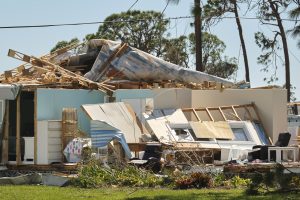
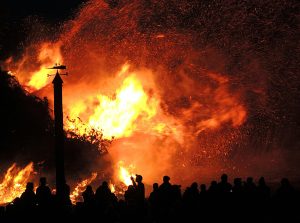
With all of that growth and investment comes a sobering reality: when property damage occurs in Austin, it is never a matter of if, only when the stakes are enormous. A hailstorm that tears through a Cedar Park neighborhood. A flash flood that pushes water into a Bouldin Creek bungalow. A kitchen fire that spreads through a Georgetown family home. A burst pipe during a February freeze that damages everything from drywall to hardwood floors.
In each of these moments, Austin property owners face two simultaneous crises. The first is the damage itself. The second and often the more prolonged and financially consequential is the insurance claim that follows.
The insurance company moves quickly. Their adjuster arrives, documents the damage through their own lens, and produces an estimate designed to protect the insurer’s bottom line. Most homeowners and business owners, overwhelmed by the chaos of property damage, accept whatever number they are offered, often not realizing they have left tens of thousands of dollars, sometimes far more, on the table.
There is a better way. And Austin’s most informed property owners already know it.

What Is a Public Adjuster And Why Does It Matter in Austin?
Most people have encountered an insurance adjuster before. After filing a claim, the insurance company sends one to evaluate the damage and determine what they will pay. What most people do not realize is that this adjuster works for the insurance company, not for them.
A public adjuster is fundamentally different. A licensed public adjuster works exclusively for the policyholder, the homeowner, or business owner who has suffered the loss. Their job is not to minimize the claim on behalf of the insurer. Their job is to maximize the settlement on behalf.
In Texas, public adjusters must be licensed by the Texas Department of Insurance. They are trained professionals who understand the intricacies of insurance policy language, damage assessment methodology, construction costs, and claims negotiation. They know exactly how insurance companies document damage, where they commonly undercount losses, and how to build an airtight case for the full compensation a policyholder deserves.
The difference in outcomes can be staggering. Property owners who work with a licensed public adjuster consistently receive settlements significantly higher than what they would have obtained on their own, in many cases, three to five times the initial insurance offer.
In a city like Austin, where property values are high and weather events are frequent and severe, having a public adjuster in your corner is not just an advantage. It is one of the smartest financial decisions a property owner can make.
Austin’s Unique Insurance Landscape: Why Local Expertise Is Non-Negotiable
Not all property damage claims are created equal, and not all markets present the same challenges. Austin’s specific geography, climate, and construction landscape create insurance claim dynamics that require local knowledge to navigate effectively.
The Hail Belt Reality
Austin sits squarely in one of the most active hail corridors in the United States. Central Texas experiences some of the largest and most frequent hail events in the country, with storms capable of producing golf ball-sized hail that devastates roofing systems, HVAC units, gutters, siding, and windows across entire neighborhoods in a matter of minutes.
Hail damage claims are among the most frequently underpaid in the Austin market. Insurance company adjusters often identify only the most visible impact points while missing hidden damage to roof decking, flashing, skylights, solar panels, and ventilation systems. A public adjuster with deep experience in hail damage assessment uses the right tools and the right methodology to document every impact point, ensuring the full scope of damage is captured and compensated.
Flash Flooding and Water Damage
Austin’s Hill Country topography makes it one of the most flash-flood-prone urban areas in Texas. The city sits atop the Balcones Escarpment, where cedar-covered limestone hillsides funnel rainfall rapidly into creeks and low-lying areas. Neighborhoods along Onion Creek, Shoal Creek, Barton Creek, and dozens of other waterways experience flooding events that can overwhelm homes and businesses with little warning.
Water damage claims are notoriously complex. The visible damage, warped floors, stained drywall, and wet insulation are often just the surface. Hidden moisture penetration into wall cavities, subfloor systems, and structural members creates ongoing problems that may not manifest until weeks after the initial event. Mold risk compounds the stakes significantly. A public adjuster who understands water damage documentation uses thermal imaging, moisture meters, and comprehensive inspection protocols to ensure that nothing is missed and that the settlement covers the full cost of proper remediation and repair.
Winter Weather Events
Texas’s vulnerability to sudden, severe winter weather events was made painfully clear in February 2021, when Winter Storm Uri devastated millions of properties across the state. Austin was not spared. Burst pipes, failed heating systems, ice dam damage, and structural failures generated an unprecedented wave of insurance claims, many of which were contested, delayed, or underpaid by overwhelmed insurance carriers.
Winter weather damage claims in Austin often involve multiple simultaneous damage types affecting different systems throughout a property. Properly documenting and valuing these claims requires both technical expertise and a thorough understanding of how insurance policies define and cover winter-related perils. An experienced public adjuster knows how to navigate these complexities and ensure policyholders are not shortchanged on what are often their largest-ever insurance claims.
Wildfire and Smoke Damage
As Austin’s urban edge expands deeper into the Texas Hill Country, wildfire risk has become an increasingly serious concern for property owners in Lakeway, Bee Cave, Dripping Springs, Steiner Ranch, and other areas where residential development meets cedar-heavy vegetation. Even properties that are not directly burned often sustain substantial smoke and soot damage that affects HVAC systems, interior surfaces, personal property, and air quality.
Smoke damage claims are among the most commonly disputed in the industry. Insurance companies frequently minimize the scope of smoke intrusion, resist paying for full HVAC cleaning and replacement, and undervalue the impact on contents and personal property. A public adjuster who specializes in fire and smoke claims understands exactly how to document, price, and present these losses for maximum recovery.
The Claims Process: What Really Happens After You File
Understanding the insurance claims process and where it typically goes wrong for policyholders is the first step toward protecting your interests.
Step One: The Loss Occurs
Whether it is a hailstorm, a flood, a fire, or a freeze, the damage event triggers your obligation to notify your insurance company promptly. Most policies have specific reporting requirements and deadlines. Missing them can jeopardize coverage.
Step Two: The Insurance Company’s Adjuster Arrives
The insurer assigns an adjuster, either an employee or an independent adjuster contracted by the company, to inspect the damage and prepare an estimate. This adjuster is trained in loss assessment, but they are also operating within the context of their employer’s financial interests. The estimate they produce reflects what the insurance company is willing to pay, not necessarily what your policy actually covers or what the damage truly costs to repair.
This is the moment where most policyholders lose leverage. They have no counter-estimate. They have no independent documentation. They have no expert in their corner. Many simply accept the number offered, sign the paperwork, and discover later that the settlement does not come close to covering the actual cost of repairs.
Step Three: The Scope and Estimate Dispute
The difference between what an insurance company offers and what a claim is truly worth often comes down to the scope of what damage is included, what repairs are covered, what code upgrades are required, and how costs are calculated. Insurance company estimates frequently use outdated pricing, exclude necessary related repairs, omit required permit and code compliance costs, and apply inappropriate depreciation to reduce the payout.
A public adjuster prepares an independent, comprehensive damage assessment and repair estimate that accurately reflects the true scope of loss. This document becomes the foundation for negotiation, a professional, detailed counterpart to the insurer’s estimate that is difficult to dismiss and hard to argue against.
Step Four: Negotiation
Armed with thorough documentation and an accurate estimate, a public adjuster engages directly with the insurance company on your behalf. They handle all communications, respond to requests for additional information, challenge inappropriate exclusions or deductions, and advocate persistently for a fair settlement.
For most policyholders, negotiating with an insurance company is an unfamiliar and uncomfortable process. For an experienced public adjuster, it is their professional domain. They know the tactics insurers use to delay or reduce settlements, and they know exactly how to counter them.
Step Five: Settlement
A properly managed claim, handled by an experienced public adjuster, results in a settlement that genuinely reflects the full value of the loss, one that gives the policyholder the resources to restore their property completely, not just partially.
Types of Claims Where a Public Adjuster Makes the Biggest Difference
While a public adjuster can add value on virtually any property damage claim, certain claim types consistently produce the largest gaps between what insurers initially offer and what policyholders actually deserve.
Roof and Hail Damage Claims
Roofing is the single most common source of insurance claims in the Austin market. Hail and wind events damage thousands of roofs every year, and the complexity of proper roof damage assessment, combined with the high cost of quality roof replacement, makes these claims particularly prone to underpayment. A public adjuster ensures that the full scope of roofing damage, including all associated components, is documented and compensated.
Water and Flood Damage Claims
As discussed above, water damage claims involve hidden damage that is easy to miss and expensive to remediate if ignored. A public adjuster brings the technical tools and the documentation discipline to ensure nothing is overlooked.
Fire and Smoke Damage Claims
Fire claims are among the most emotionally charged and financially significant losses a property owner can experience. The complexity of fire damage, structural damage, smoke and soot penetration, content loss, temporary housing costs, and business interruption demands the kind of comprehensive, expert documentation that only a specialized public adjuster can provide.
Denied and Underpaid Claims
If your insurance company has already denied your claim or offered a settlement you believe is inadequate, a public adjuster can re-engage the process. Many initially denied or underpaid claims are successfully reopened and resolved for significantly higher amounts when a licensed professional advocates on the policyholder’s behalf.
Commercial Property Claims
Business owners face a unique set of challenges when property damage occurs. Beyond the physical damage to the building and its contents, commercial claims often involve business interruption losses, equipment damage, inventory loss, and liability considerations. The financial stakes are typically higher, the policy language is more complex, and the need for expert advocacy is even greater than in residential claims.
What to Look for in an Austin Public Adjuster
Not all public adjusters are equal. When selecting a professional to handle your claim, these are the qualities that matter most.
Texas Licensure. In Texas, public adjusters must hold a valid license issued by the Texas Department of Insurance. Always verify licensure before engaging any public adjusting professional. An unlicensed practitioner cannot legally represent you and may expose you to significant risk.
Local Market Knowledge. Austin’s specific climate risks, construction types, building code requirements, and insurance market dynamics require genuine local expertise. A public adjuster who works primarily in Austin understands the nuances that can make or break a claim in this market.
Transparent, Contingency-Based Fees. Reputable public adjusters work on a contingency basis, meaning they earn a percentage of the settlement they secure for you, and they collect nothing if they do not recover anything. This structure aligns the adjuster’s interests perfectly with yours and ensures there is no financial barrier to accessing professional representation.
Proven Track Record. Ask about outcomes. A credible public adjuster can speak to their history of results, the types of claims they have handled, the settlements they have achieved, and the clients they have served.
Technology-Driven Documentation. Modern public adjusting relies on advanced tools: moisture meters, thermal imaging cameras, drone technology for aerial roof inspection, and professional estimating software. These tools produce documentation that is thorough, accurate, and difficult for insurers to challenge.
Clear Communication. Throughout what is often a stressful and uncertain process, you need a public adjuster who communicates clearly, keeps you informed at every stage, and is accessible when you have questions.
Common Mistakes Austin Homeowners Make With Insurance Claims
Understanding what not to do is as important as knowing what to do.
Accepting the first offer without question. Insurance companies routinely make initial settlement offers that are lower than what the policy actually supports. Accepting without review is one of the most costly mistakes a policyholder can make.
Filing too late. Texas insurance policies have strict deadlines for reporting claims and for challenging claim decisions. Missing these deadlines can forfeit coverage entirely.
Making repairs before full documentation. The impulse to immediately begin repairs is understandable, but making significant repairs before thorough damage documentation is complete can eliminate evidence critical to maximizing your settlement.
Communicating directly with the insurer without preparation. Statements made to insurance company representatives, even casual, well-intentioned ones, can be used to limit or deny coverage. Having a public adjuster handle communications on your behalf protects you from inadvertent missteps.
Assuming your adjuster is on your side. The adjuster sent by your insurance company works for the insurer. Understanding this distinction is the foundation of effective claims advocacy.
Not knowing your full policy coverage. Many policyholders are unaware of everything their policy covers, including additional living expenses during displacement, code upgrade requirements, and extended replacement cost provisions. A public adjuster reviews your policy comprehensively to ensure every available benefit is claimed.
The Financial Case for Hiring a Public Adjuster
The question most Austin property owners ask is straightforward: is it worth it?
The data consistently says yes. Studies and industry reports show that policyholders represented by public adjusters receive substantially higher settlements than those who navigate claims on their own. The contingency fee structure means there is no out-of-pocket cost; the public adjuster’s compensation comes from the improved settlement they secure.
Consider a realistic scenario. An Austin homeowner files a hail damage claim. The insurance company’s adjuster offers $18,000, enough for a basic roof replacement but not accounting for damaged gutters, HVAC units, skylights, and related code upgrade requirements. A public adjuster conducts a comprehensive inspection, documents the full scope of damage, and negotiates a settlement of $54,000. The adjuster’s contingency fee is paid from the difference. The homeowner receives a settlement that actually covers the true cost of restoring their property.
This scenario is not unusual. It is, in fact, representative of what experienced public adjusters achieve for their clients every day in the Austin market.
Serving All of Greater Austin
Austin’s explosive growth means that property damage claims span a vast and diverse geographic area. From the urban core neighborhoods of Travis Heights, Zilker, and Mueller to the rapidly developing suburbs of Round Rock, Cedar Park, Georgetown, Pflugerville, Kyle, and Buda, and the affluent communities of Westlake Hills, Lakeway, Bee Cave, and Steiner Ranch, a truly capable public adjusting firm serves the entire Greater Austin region.
Local knowledge extends beyond the city limits. Understanding the specific flood zone designations, building code requirements, construction standards, and insurance market conditions that apply in each of these communities is essential to effective claims representation across the full Austin metro area.
Conclusion
When property damage turns your world upside down, you deserve more than a form letter and a lowball settlement. You deserve a licensed professional who knows Austin’s insurance landscape inside and out, who will document every dollar of damage, fight every inappropriate deduction, and negotiate until you receive every cent your policy entitles you to.
Insurance Claim Hero is that advocate. Serving homeowners and business owners throughout Greater Austin and Central Texas, Insurance Claim Hero combines deep local expertise, advanced documentation technology, and relentless claims advocacy to deliver settlements that reflect the true value of your loss. With no upfront fees and a commitment to results, Insurance Claim Hero is the trusted choice for Austin property owners who refuse to settle for less than they deserve.
Contact Insurance Claim Hero today for your free, no-obligation claim review and let Insurance Claim Hero fight for every dollar your claim deserves.