
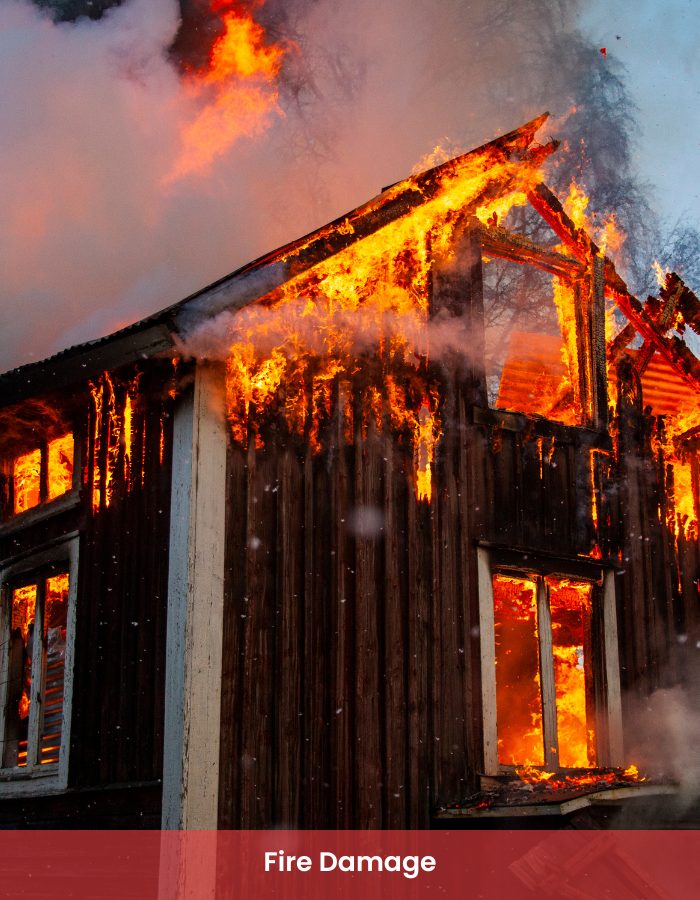
A house fire is one of the most devastating events a homeowner can face. Beyond the emotional toll, you’re left with smoke-damaged walls, ruined belongings, and a home that may not be safe to live in. On top of all that, you now have to file an insurance claim — a process that’s often confusing, slow, and stacked in the insurer’s favor.
That’s where a licensed public adjuster comes in. If you’re searching for guidance on the fire damage insurance claim process in Texas, this guide walks you through each stage and shows exactly what a public adjuster handles on your behalf, so you don’t have to navigate it alone.
What Is the Fire Damage Insurance Claim Process in Texas?
The fire damage insurance claim process in Texas generally follows five stages: reporting the fire to your insurer, documenting the damage, submitting a proof of loss, negotiating the settlement, and receiving payment. Texas law sets specific deadlines insurers must follow at each stage, and a public adjuster manages every one of these steps for you.
Here’s how the process typically unfolds.
Step 1: Reporting the Fire and Opening the Claim
The clock starts the moment you report the loss to your insurance company. In Texas, insurers are required to acknowledge receipt of your claim within 15 days. A public adjuster steps in early, often before you’ve even finished the initial call with your carrier, to make sure the claim is filed correctly and that no critical details are left out from the start.
Step 2: Documenting the Fire Damage
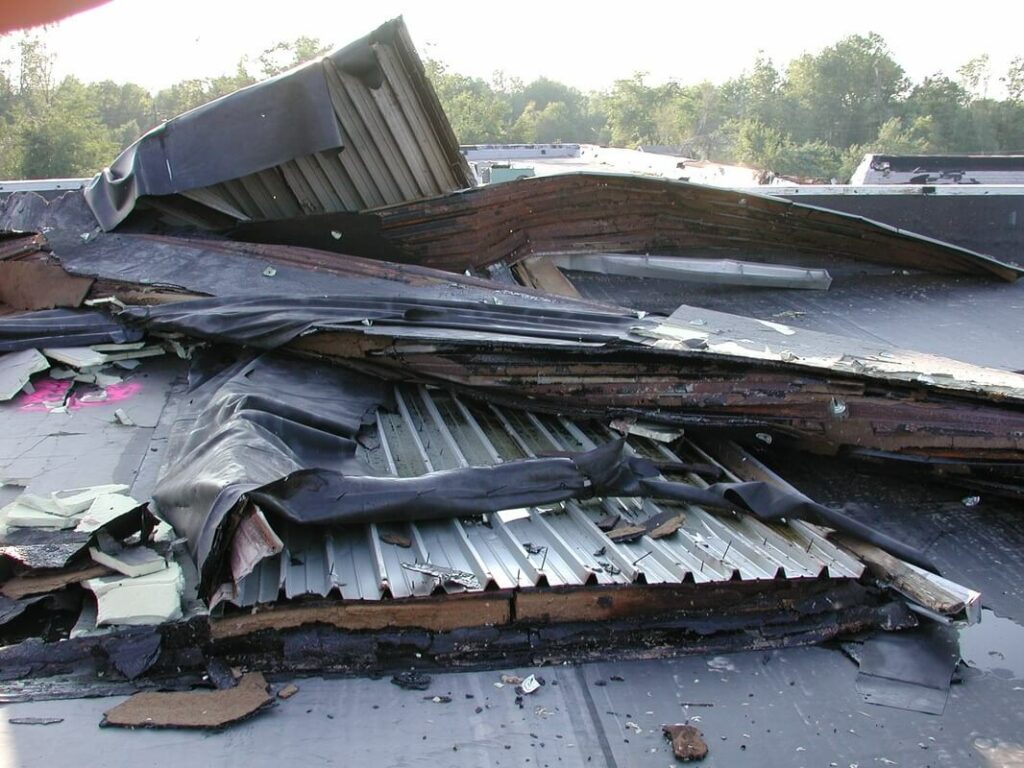
This is where many homeowners lose money without realizing it. Fire damage isn’t just what you can see — smoke and soot travel through HVAC systems, water used to extinguish the fire can cause hidden mold, and structural damage can lurk behind walls. A public adjuster fire inspection covers all of this, using specialized knowledge to catalog:
- Structural and framing damage
- Smoke and soot penetration in walls, insulation, and ductwork
- Water damage from firefighting efforts
- Damaged or destroyed personal property
- Additional living expenses if you’re displaced from your home
Step 3: Submitting the Proof of Loss
Once damages are documented, a formal proof of loss is submitted to the insurer. This document itemizes every loss and ties it to your policy’s coverage terms. Fire damage documentation from a public adjuster is typically far more detailed than what a homeowner could produce alone, which directly affects how much of your claim gets approved.
Step 4: The Insurer’s Response Timeline
Texas regulates how quickly insurers must act once they have everything they need. After receiving all requested information, insurers generally have 15 business days to accept or deny the claim. A public adjuster tracks these deadlines closely and holds the insurance company accountable if they stall.
Step 5: Negotiation and Settlement
If the insurer’s initial offer falls short — which is common — this is where fire claim negotiation becomes critical. A public adjuster negotiates directly with the insurance company’s adjuster, using your documentation and policy language to push for a settlement that actually covers your losses.
What Does a Public Adjuster Do for Fire Damage?
A public adjuster manages your entire fire damage insurance claim on your behalf. Their responsibilities include inspecting and documenting all damage, interpreting your policy, filing paperwork, communicating with the insurance company, and negotiating your final settlement — all while working solely for you, not the insurer.
Why This Matters After a Fire
Unlike the adjuster sent by your insurance company, a public adjuster has no obligation to the insurer’s bottom line. Their only job is to represent your interests. After a fire, when you’re likely displaced from your home and managing dozens of other concerns, having someone dedicated to your claim full-time makes an enormous difference in both the outcome and your peace of mind.
Fire Claim Filing Steps in Texas: Quick Reference
How do you file a fire damage claim in Texas? Report the fire to your insurer as soon as possible, request a copy of your policy, document all damage with photos and video, keep receipts for any emergency repairs or living expenses, and avoid signing any settlement offer until it’s been reviewed by a professional.
How long does a fire insurance claim take in Texas? Timelines vary by claim complexity, but Texas requires insurers to acknowledge a claim within 15 days and respond with an accept or deny decision within 15 business days of receiving complete documentation. Complex claims involving structural damage often take longer.
Why do fire insurance claims get underpaid? Claims are frequently underpaid because hidden damage goes undocumented, homeowners underestimate the cost of rebuilding to current codes, or the insurer’s initial estimate doesn’t account for the full scope of smoke, soot, and water damage.
Fire Damage Documentation: What a Public Adjuster Captures That You Might Miss
Insurance companies rely on your documentation to determine what they’ll pay. If damage isn’t documented, it often isn’t covered. A public adjuster’s fire inspection typically includes:
- Room-by-room photo and video evidence of every affected area
- Moisture readings to catch water damage before mold sets in
- Itemized personal property lists with replacement cost estimates
- Code upgrade requirements your city may require during rebuilding
- Additional living expense tracking for hotel stays, meals, and storage
This level of detail is what separates a strong claim from one that gets underpaid.
The Fire Claim Negotiation Process
Once your insurer issues an initial settlement offer, the real work often begins. Insurance companies frequently open with a number well below what’s needed to fully restore your home. A public adjuster reviews this offer against your policy limits and documented damages, then builds a counter-argument backed by contractor estimates, code requirements, and comparable claim data.
This back-and-forth can involve multiple rounds of negotiation, and in some cases, a formal appraisal process if both sides can’t agree. A public adjuster manages all of this correspondence, keeping the pressure on the insurer while you focus on your family and recovery.
Frequently Asked Questions
1. Do I need a public adjuster for a fire damage claim?
You’re not required to hire one, but a public adjuster can significantly increase your settlement and reduce the stress of managing the claim yourself, especially for larger or more complex fire losses.
2. How much does a public adjuster charge in Texas?
Most public adjusters work on a contingency basis, earning a percentage of your final settlement. This means you generally don’t pay anything upfront, and their payment is tied to how much they recover for you.
3. Can I still file a claim if the fire was partially my fault?
In most cases, yes. Coverage depends on your specific policy and the cause of the fire. A public adjuster can help you understand how your policy applies to your situation.
4. What if my insurance company denies my fire claim?
A public adjuster can review the denial, identify whether it was justified, and help you file an appeal or pursue additional options if the denial appears improper.
5. How soon after a fire should I contact a public adjuster?
As soon as possible. Early involvement helps ensure damage is properly documented before cleanup or repairs begin, which strengthens your claim from the start.
6. Will hiring a public adjuster delay my claim?
No — in most cases, it speeds things up. Public adjusters know exactly what documentation insurers require and how to avoid the back-and-forth delays that come from incomplete submissions.
Final Thoughts
The fire damage insurance claim process in Texas involves strict timelines, detailed documentation, and negotiation that can feel overwhelming while you’re also trying to recover from a devastating loss. Insurance Claim Hero helps simplify the process by handling the inspection, paperwork, insurer communication, and settlement negotiations, allowing you to focus on rebuilding your life instead of fighting for fair compensation.
Ready to File Your Fire Damage Claim?
If you’ve experienced a fire loss in Texas, don’t navigate the claims process alone. Contact Insurance Claim Hero today for a free claim review and discover how much more your settlement could be worth with experienced public adjusters on your side.