
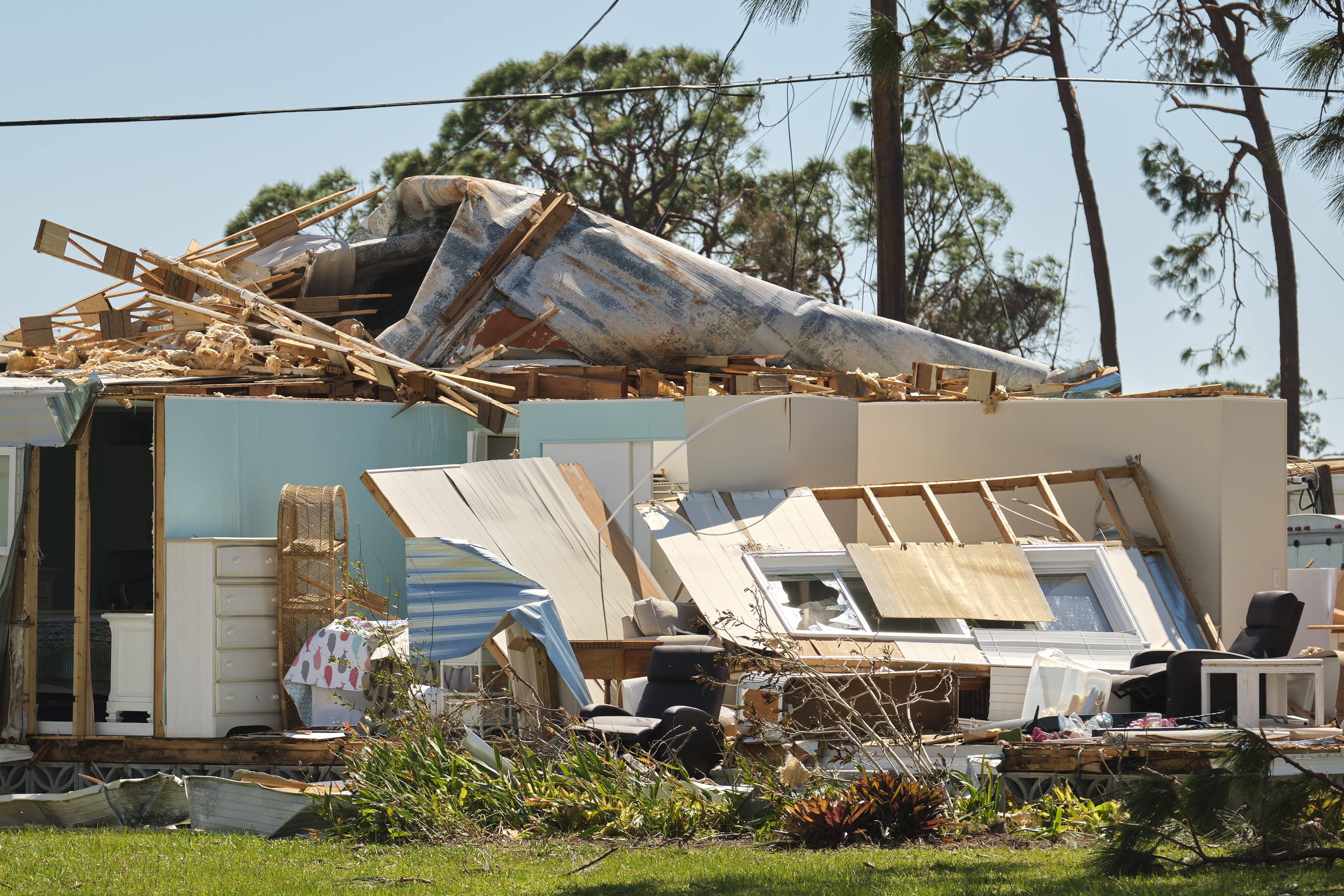
Few phrases shut a homeowner down faster than hearing their insurance claim was denied due to “wear and tear.” It sounds final. Technical. Unarguable. And for many policyholders, it’s enough to make them give up entirely.
That’s exactly what insurance carriers are counting on.
Recently, we handled a roof claim that perfectly illustrates how the “wear and tear” denial is often used—not as a fair assessment of damage, but as a convenient exit strategy.
When a Storm-Damaged Roof Gets Written Off
The roof in question was a Decra roof, approximately 15 years old. After a windstorm, several shingles were missing, seams showed material failure, and sections of the roof had lifted repeatedly over time. The homeowner had already screwed down portions of the roof on multiple occasions just to keep it intact.
At the time of inspection, the roof was actively vulnerable. Without a tarp in place, water intrusion would have been inevitable.
Despite clear signs of wind-related damage, the insurance carrier inspected the property and denied the claim—citing wear and tear. To make matters worse, the adjuster reportedly communicated this denial verbally during the inspection, emphasizing the roof’s age and leaving the homeowner with the impression that recovery was impossible.
The message was clear: Your roof is too old. There’s nothing we can do.
So the homeowner stopped fighting.
Why “Wear and Tear” Is Such a Powerful Denial
Wear and tear is a real exclusion in most policies. Insurance doesn’t cover gradual deterioration or maintenance-related issues. But here’s the problem: carriers often use “wear and tear” to overshadow legitimate storm damage.
Roofs don’t exist in a vacuum. A roof can show age and still sustain sudden, storm-related damage. Missing shingles, wind-lifted seams, and active leaks aren’t cosmetic issues—and they don’t magically become excluded just because the roof isn’t brand new.
In this case, the policy also included a cosmetic damage exclusion, another favorite tool insurers lean on. But the damage here wasn’t cosmetic. The roof was no longer performing its primary function—keeping water out. Tarping was the only thing preventing interior damage.
That’s not aesthetics. That’s failure.
The Reality the Carrier Didn’t Want to Address
By the time we reviewed the claim, the roof was beyond its effective service life and remained exposed to further loss. Temporary measures were in place, but they weren’t a solution—just a stopgap.
Based on 55 squares at an average replacement cost of $1,200 per square, the estimated cost to replace the roof was approximately $70,000.
Yet the carrier’s initial position was zero.
Not because the damage wasn’t real—but because it was easier to dismiss it as “wear and tear.”
What Changed When the Homeowner Fought Back
After losing hope, the homeowner decided to bring in professional help and hired Insurance Claim Hero.
We re-evaluated the loss, documented the storm-related damage properly, and challenged the narrative that age alone determined coverage. We focused on cause—not condition—and demonstrated that the windstorm created damage that went far beyond normal deterioration.
The result?
The carrier reversed course and issued an offer of $67,121.03.
From a full denial to a near full roof replacement.
The Takeaway: Don’t Let One Phrase End Your Claim
“Wear and tear” is not a magic word that automatically voids coverage. It’s an exclusion that must be applied correctly—and far too often, it isn’t.
If your roof suffered storm damage, the age of the roof should not be the end of the conversation. Missing shingles, lifted panels, compromised seams, and active leaks deserve a real evaluation, not a blanket denial.
This claim is proof of what happens when homeowners don’t take the first “no” as the final answer.
If you’ve been told your roof is “just too old,” take a second look. You may be standing on a valid claim that was never given a fair chance.